PEEK聚合物介绍

PEEK (Polyetheretherketone) 聚醚醚酮聚合物是什么?

在整个塑料工业中,PEEK被广泛公认为是一种领先的高性能聚合物(HPP)。但长期以来,汽车、航空航天、油气和医疗设备行业的首选材料都是金属。PEEK聚合物正在迅速改变这种思维定式。

什么是PEEK

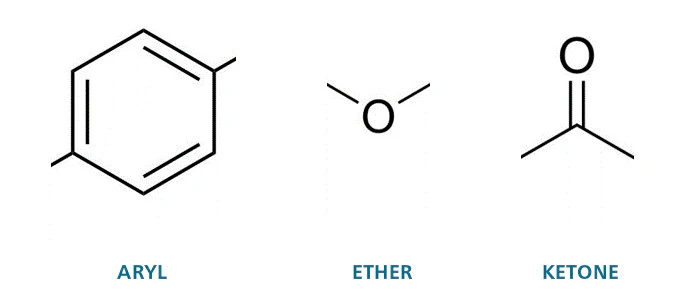
PEEK或聚醚醚酮属于“芳香族聚酮”(更准确地说是聚芳醚酮或PAEK)类聚合物,由以下结构单元构成:
1978年,ICI申请了PEEK的专利,该专利于1981年首次作为Victrex PEEK聚合物被商业化

PAEK的研发起源于20世纪60年代,但直到1978年帝国化学工业公司(ICI)才对PEEK申请了专利,而威格斯PEEK聚合物于1981年首次实现商业化。

“芳香族”通常意味着独特或香甜的味道,这看似一个奇怪的词语,但科学家们用它来描述某些包含有或由环状结构构成的分子(如上面的芳基结构单元)。此类型小分子,如甲苯和萘,具有独特的气味并因此而得名。但PEEK本身就像大多数热塑性塑料一样,在正常情况下是无味的。从化学角度来看,PEEK主要是一种线性半结晶聚合物。下图阐释了结构单元如何相互结合,从而形成醚醚酮或EEK:


上面方括号中所示的“重复单元”被复制很多次——平均在200-300次之间——从而形成一个PEEK聚合物链。P来自于希腊语“poly”是“很多”的意思,这样很多EEK就形成了PEEK。芳基和酮基具有一定刚性,因而提供了刚度,这意味着良好的机械性能和高熔点。醚基提供了一定程度的柔韧性,而芳基和酮基具有化学惰性,从而具有耐化学腐蚀性。重复单元的规整结构意味着PEEK分子可部分结晶,而结晶性可提供耐磨、抗蠕变、抗疲劳和耐化学性等性能——稍后将对此进行详细介绍。

形成的聚合物被广泛公认为是世界上性能最好的热塑性塑料之一。与金属相比,PEEK类材料重量轻、易成形、耐腐蚀,并具相当高的比强度(单位重量强度)。

根据应用需要进行设计

我们采用了可控制链长或分子量的工艺来制造PEEK。与短链PEEK相比,长链PEEK(高分子量)具有更强的韧性和抗冲击性。但高分子量聚合物在熔融时非常粘稠,这限制了将其注入小型模具的能力。低分子量PEEK的抗冲击性能较差,但在熔融状态时流动性更好,因此易于制造复杂的小零件。


准备好找到符合您应用需求的 PEEK 等级了吗?

PEEK 有多个等级可供选择——每种等级都针对不同的分子量、增强水平和加工要求进行了优化,因此找到正确的规格对于实现最佳性能至关重要。

260°C

研究表明,VICTREX PEEK聚合物的连续使用温度为260°C (500°F)

性能 数值 测试方法
熔点(Tm)(1) 343°C (649°F) ISO 11357-3
玻璃化转变温度 (Tg)(1) 143°C (289°F) ISO 11357-2
热变形温度(1) 152°C (306°F) ISO 75-2/Af
导热系数(1) 0.29 W/m/K ISO 22007-4
热膨胀系数 (低于Tg, 平均值)(1) 55 ppm/°K ISO 11359-2
热膨胀系数 (高于Tg, 平均值)(1) 140 ppm/°K ISO 11359-2

PEEK 的热性能

数据来源 1 VICTREXTM PEEK POLYMER 450TM

热性能: 260℃ 连续使用温度

测试表明 VICTREX PEEK 聚合物 的连续使用温度可达260°C (500°F). 这使其适用于各种高温环境,如流程工业、油气行业以及数百万辆汽车的发动机和变速器内部。 PEEK能够在动态应用中承受摩擦并抵抗磨损,例如止推垫圈和密封环等。 


化学耐受性: 在苛刻环境中的表现

化学类别 耐受性
碳氢化合物 (脂肪族、芳香族)(1) 优异
有机溶剂(醇类、醛类、酮类、醚类)(1) 优异
酸(盐酸、磷酸)(1) 优异
强碱 (NaOH, KOH)(1) 优异

PEEK的化学性能

数据来源 1 VICTREX PEEK Chemical Resistance Brochure

PEEK is able to resist the damage that can be inflicted in chemically aggressive operational environments, such as downhole in wells in the oil & gas industry, in gears in machinery & automotive applications. It can resist jet fuel, hydraulic fluids, de-icers and insecticides used in the aerospace industry. This holds true over wide ranges of pressure, temperature and time.

Mechanical Strength: Load-bearing performance across Temperature Ranges

Property Value Test Method
Tensile Strength (23°C)(1) 78 - 330 MPa ISO 527
Flexural Strength (23°C)(1) 125 - 480 MPa
ISO 178
Flexural Modulus (23°C)(2) 3.2 - 37 GPa ISO 178
Compressive Strength (23°C)(1) 105 - 310 MPa ISO 604
Izod Impact Strength (Notched, 23°C)(1) 3.5 - 11 kJ/m² IISO 180/A

Mechanical Properties of PEEK

Source 1  Victrex PEEK Properties Guide

Creep and Fatigue Resistance for Long-Term Durability

PEEK demonstrates excellent strength and stiffness over a wide temperature range.  PEEK-based carbon fibre composites have specific strength many times that of metals and alloys.  "Creep" refers to a material becoming permanently deformed over an extended period of time when under constant applied stress. “Fatigue” refers to the brittle failure of a material under a repeated cyclic loading.  PEEK has both high creep and fatigue resistance thanks to its semi-crystalline structure and has been shown to be more durable than many other polymers and some metals over a long and useful lifetime.

Flammability Performance: Fire, Smoke Toxicity

PEEK has excellent flammability performance.  It resists autoignition up to almost 600°C.  When it can be made to burn at very high temperatures, it will not support combustion and it emits little smoke. This is one reason why PEEK is widely used in commercial aircraft.

Processing Versatility: Extrusion to Injection Moulding

The PEEK molecule is very stable, so the polymer can be re-melted and reprocessed again and again with minimal change to its properties. This helps its environmental footprint and can ensure that waste material from manufacturing processes can be mechanically recycled.

As a thermoplastic PEEK can be processed using conventional thermoplastic processing equipment for injection and compression moulding as well as extrusion. It is very versatile and increasingly used for improved part performance, durability, weight saving and overall reduced lifetime system cost. No wonder it's replacing metals and alloys!

Across many industries and critical environments, material experts, part designers and purchasers have to decide whether PEEK is the material of choice to enable advances in performance, weight reduction, energy consumption, assembly time, cost savings or stick to traditional metals and alloys.

PEEK 与其他高性能聚合物的性能比较 

When compared to other high-heat polymers such as PPS (Polyphenylene Sulfide), and PES (Polyethersulfone), PEEK stands out due to its exceptional balance of heat, wear and chemical resistance and mechanical properties. PEEK's continuous use temperature (Relative Thermal Index), according to UL 746B, of up to 260°C is notably higher than PPS (approximately 240°C) and PES (approximately 180°C), making it suitable for applications that require sustained performance in extreme temperatures. In contrast to PPS, which can soften at lower temperatures, PEEK retains its mechanical integrity even under high thermal stress. In terms of mechanical strength, PEEK offers significantly higher tensile strength compared to both PPS and PES. While PPS is known for its chemical resistance and ease of processing, it lacks the toughness and strength of PEEK, which is critical in applications requiring durable and load-bearing components. PEEK's excellent wear resistance and low friction also give it an advantage over PES, which tends to exhibit inferior wear performance in high-stress environments.

PEEK: 赋能未来工程挑战

PEEK represents more than just a high-performance polymer - it's a material that continues to push the boundaries of what's possible in engineering. Its versatility, strength, and resilience have made it essential in solving some of the toughest challenges across many industries. So it's not just about what PEEK can do today but what it will enable in the future as technologies evolve and demands become more rigorous. If you're looking for a material that offers superb durability, heat resistance, and chemical stability, PEEK might be the answer you've been searching for. To learn more about how PEEK can benefit your specific project or application, we encourage you to 联系我们 to learn more.


PEEK常见问题解答

PEEK (poly-ether-ether-ketone) 应用在哪些领域?

PEEK serves critical applications where metals and standard polymers do not meet multiple key engineering requirements. Primary uses include:

  • Aerospace: Engine components, structural parts, cable insulation - requires strength, wear, meet smoke, fire, toxicity quality standards, weight-reduction.
  • Automotive: Transmission components, thrust washers, seal rings - demands reliability, wear properties, performance in high temperatures, chemical resistance.
  • Oil & Gas: Downhole components, seals, bearings - needs chemical resistance,  performance under pressure, extreme temperature performance, reliability.
  • Medical: Surgical instruments, implantable devices, sterilisation trays - requires biocompatibility, repeated autoclave sterilisation, mechanical performance.
  • Industrial: Chemical processing equipment, semiconductor components, electrical connectors - leverages chemical inertness and dimensional stability.

PEEK 与金属相比如何? 

PEEK offers several advantages over metals for demanding applications:

Performance advantages:

  • Continuous use temperature 260°C matches many metal applications
  • Specific strength (strength per unit weight) often exceeds metals
  • Complete chemical inertness (no corrosion vs metal oxidation/degradation)
  • Excellent wear resistance in dynamic applications
  • Electrical insulation properties (vs metal conductivity)  (Note, carbon fibre filled PAEKs – both as compounds and composites – are conductive, and VICTREX ESD 101 is partially conductive.

Practical advantages:

  • 40-50% weight reduction vs metal equivalents
  • Complex geometries via injection moulding (vs machining limitations)
  • Lower assembly costs (snap fits, welded joints vs fasteners)
  • Reduced maintenance (no corrosion protection required)

Trade-offs:

  • Higher material cost per kg (offset by part weight reduction and lifecycle savings)
  • Lower absolute strength than some metals (but higher specific strength)
  • Processing temperature requirements (360-400°C vs metal forming)

PEEK能耐受多少温度?

PEEK demonstrates exceptional thermal performance:

  • Continuous use temperature: 260°C (500°F) - validated by measurement according to UL 746B, and used across millions of component hours in automotive and aerospace applications
  • Melting point: 343°C (649°F) - maintains solid structure well above operating temperatures
  • Glass transition temperature: 143°C (289°F) - retains mechanical properties above this transition
  • Short-term excursions: Can tolerate brief exposure to 300°C+ without permanent degradation

This thermal capability significantly exceeds alternative high-performance polymers:

  • PPS: 240°C continuous use (20°C lower than PEEK)
  • PES: 180°C continuous use (80°C lower than PEEK)

PEEK是否优于PPS?

PEEK and PPS serve different application requirements:

Choose PEEK when:

  • Continuous operation greater than 240°C required
  • Maximum wear resistance needed (dynamic applications)
  • Highest mechanical strength critical
  • Specification justifies premium cost for performance advantage

Choose PPS when:

  • Operating temperature less than 240°C
  • Cost sensitivity important
  • Processing ease prioritised (PPS flows more easily)

Performance comparison:

  • PEEK offers 20°C higher continuous use temperature (260°C vs 240°C)
  • PEEK provides superior wear resistance and higher tensile strength
  • PPS costs approximately 30% less than PEEK
  • PPS processes more easily with shorter cycle times

Real-world guidance: If your application operates at 230-240°C, experiences aggressive chemicals, or requires dynamic wear resistance, PEEK's performance premium typically justifies the cost through extended component life and reduced maintenance. For applications less than 230°C without extreme wear requirements, PPS often provides excellent cost-effective performance.

PEEK的成本是多少?

PEEK material pricing reflects its high-performance capabilities:

Material cost considerations:

  • PEEK costs significantly more than standard engineering polymers PPS, (nylon, acetal) and alternative metal materials e.g. aluminium, steel, titanium.
  • Price varies by grade: unfilled, glass-filled, carbon-filled grades have different costs.

Design efficiency and waste reduction advantages

  • Transitioning from metal to PEEK enables component redesign to improve component performance and reduce material usage.
  • Metal machining can waste up to 80% of material; injection moulding typically generates less than 5–10% waste.
  • PEEK is sold by weight but used by volume in moulding applications.
  • Its low density (½ that of aluminium, ⅙ that of steel) means less material is needed for the same part.
  • PAEKs are compatible with additive manufacturing, further reducing waste.

Curious how High-performing polymers compare to metals? Read our blog PEEK versus Metals.

Lifecycle cost advantages:

  • 40-50% weight reduction vs metals reduces material usage
  • Component consolidation via complex moulding reduces assembly costs
  • Extended service life (2-4x vs alternative polymers) reduces replacement frequency
  • Maintenance reduction (no corrosion, superior wear resistance) lowers total cost of ownership
  • Reduced downtime in critical applications provides operational cost savings

Cost justification framework: Material researchers and procurement teams typically accept PEEK's premium through:

  • Application criticality (failure costs exceed material cost premium)
  • Lifecycle analysis (2-3 year payback through extended service life)
  • Performance requirements (no alternative polymer meets specifications)
  • System-level savings (weight reduction, part consolidation, assembly simplification)


PEEK 与其他高性能聚合物的性能比较

与其他高耐热聚合物(如 PPS(聚苯硫醚)和 PES(聚醚砜))相比,PEEK 因其在耐热性、耐磨性、耐化学性和机械性能方面的卓越平衡而脱颖而出。根据 UL 746B 标准,PEEK 的连续使用温度(相对热指数)可达 260°C,显著高于 PPS(约 240°C)和 PES(约 180°C),使其适用于需要在极端温度下保持性能的应用。相比 PPS 在较低温度下可能软化,PEEK 即使在高热应力下仍能保持机械完整性。在机械强度方面,PEEK 的拉伸强度明显高于 PPS 和 PES。虽然 PPS 以其耐化学性和易加工性著称,但缺乏 PEEK 的韧性和强度,而这些在需要耐久和承载的应用中至关重要。PEEK 的优异耐磨性和低摩擦性能也使其在高应力环境中比 PES 更具优势。


PEEK:赋能未来工程挑战

PEEK 不仅仅是一种高性能聚合物——它是一种不断突破工程可能性的材料。其多功能性、强度和韧性使其在解决各行业最严苛挑战中不可或缺。因此,PEEK 不仅关乎今天能做什么,更关乎未来在技术发展和需求日益严苛时能实现什么。如果您正在寻找一种具备卓越耐久性、耐高温和化学稳定性的材料,PEEK 可能就是您一直在寻找的答案。想了解更多 PEEK 如何为您的项目或应用带来价值,请联系我们获取更多信息。


PEEK 常见问题解答

PEEK(聚醚醚酮)用于哪些领域?

PEEK 应用于金属和普通聚合物无法同时满足多个关键工程要求的场合。主要用途包括:

  • 航空航天:发动机部件、结构件、电缆绝缘——要求强度、耐磨、符合烟雾、火焰、毒性标准,并实现减重。
  • 汽车:变速器部件、推力垫圈、密封环——要求可靠性、耐磨性能、高温性能和耐化学性。
  • 油气:井下部件、密封件、轴承——要求耐化学性、耐压性能、极端温度性能和可靠性。
  • 医疗:手术器械、植入装置、灭菌托盘——要求生物相容性、可反复高压灭菌、机械性能。
  • 工业:化工处理设备、半导体部件、电气连接器——利用其化学惰性和尺寸稳定性。

PEEK 与金属相比如何?

PEEK 在苛刻应用中相较金属具有多项优势:

性能优势:

  • 连续使用温度 260°C,可满足许多金属应用
  • 比强度(单位重量强度)通常超过金属
  • 完全化学惰性(无腐蚀,相比金属氧化/降解)
  • 动态应用中优异的耐磨性能
  • 电绝缘性能(相比金属导电性)
    注:填充碳纤维的 PAEK 化合物和复合材料具有导电性,VICTREX ESD 101 部分导电。

实用优势:

  • 相比金属减重 40-50%
  • 可通过注塑成型实现复杂几何结构(相比金属加工限制)
  • 降低装配成本(卡扣、焊接连接替代紧固件)
  • 减少维护(无需防腐蚀处理)

权衡因素:

  • 单位重量材料成本更高(但通过减重和生命周期节省抵消)
  • 绝对强度低于部分金属(但比强度更高)
  • 加工温度要求高(360-400°C,相比金属成型)

PEEK 能耐受多少温度?

PEEK 具有卓越的热性能:

  • 连续使用温度:260°C(500°F),依据 UL 746B 测试验证,已在汽车和航空航天应用中累计数百万小时使用。
  • 熔点:343°C(649°F),在远高于工作温度下保持固态结构。
  • 玻璃化转变温度:143°C(289°F),在此温度以上仍保持机械性能。
  • 短期耐受:可承受 300°C 以上的短时暴露而不发生永久降解。

相比其他高性能聚合物:

  • PPS:连续使用温度 240°C(比 PEEK 低 20°C)
  • PES:连续使用温度 180°C(比 PEEK 低 80°C)

PEEK 是否优于 PPS?

PEEK 和 PPS 满足不同应用需求:

选择 PEEK 的情况:

  • 连续运行温度超过 240°C
  • 需要最大耐磨性(动态应用)
  • 对最高机械强度有严格要求
  • 规格要求性能优势,成本可接受

选择 PPS 的情况:

  • 工作温度低于 240°C
  • 成本敏感
  • 优先考虑加工便利性(PPS 流动性更好)

性能比较:

  • PEEK 连续使用温度高 20°C(260°C vs 240°C)
  • PEEK 耐磨性和拉伸强度更优
  • PPS 成本约比 PEEK 低 30%
  • PPS 加工更容易,周期更短

实际指导:如果应用温度在 230-240°C,且存在强腐蚀化学品或需要动态耐磨性,PEEK 的性能溢价通常通过延长部件寿命和减少维护来证明其合理性。对于低于 230°C 且无极端耐磨要求的应用,PPS 通常提供出色且经济的性能。


PEEK 的成本是多少?

PEEK 的价格反映其高性能特性:

材料成本考虑:

  • PEEK 显著高于标准工程塑料(如 PPS、尼龙、聚甲醛)和替代金属材料(如铝、钢、钛)。
  • 价格因等级而异:未填充、玻纤填充、碳纤填充等级成本不同。

设计效率与废料减少优势:

  • 从金属转向 PEEK 可重新设计部件,提高性能并减少材料使用。
  • 金属加工废料可达 80%,注塑成型通常废料低于 5–10%。
  • PEEK 按重量销售,但在注塑应用中按体积使用。
  • 其低密度(约为铝的一半,钢的六分之一)意味着同样部件所需材料更少。
  • PAEK 可用于增材制造,进一步减少浪费。

生命周期成本优势:

  • 相比金属减重 40-50%,降低材料使用
  • 通过复杂成型实现部件整合,降低装配成本
  • 延长使用寿命(比替代聚合物长 2-4 倍),减少更换频率
  • 降低维护(无腐蚀,耐磨性优异),降低总拥有成本
  • 在关键应用中减少停机时间,节省运营成本

成本合理性框架: 材料研究人员和采购团队通常通过以下方式接受 PEEK 的溢价:

  • 应用关键性(故障成本远超材料成本溢价)
  • 生命周期分析(通过延长寿命实现 2-3 年回报)
  • 性能要求(无其他聚合物可满足规格)
  • 系统级节省(减重、部件整合、简化装配)

关于作者

威格斯首席科学家John Grasmeder

John Grasmeder博士在聚合物领域拥有超过25年的经验,曾在英国和德国的帝国化学工业公司(ICI)、巴斯夫、Hoechst和壳牌合资公司担任过研发、商务和业务领导职位。他已在威格斯工作11年,自2010年起担任技术总监一职,并于2016年成为首席科学家。

关于作者

John Grasmeder
John Grasmeder
威格斯首席科学家,理学学士、博士、注册工程师,英国皇家化学学会会士、英国材料矿物与采矿学会会士、英国化学工程师学会会士

John Grasmeder 拥有超过 30 年的全球聚合物领域经验,曾在 ICI、BASF 以及多家英国和德国的 BASF、Hoechst 和 Shell 合资企业担任研发、应用开发、市场营销和业务领导职务。

在现任职位中,John 正致力于在不断扩展的可持续技术平台、产品、工艺和应用领域,构建威格斯的研究基础。

John是埃克塞特大学的名誉教授,材料化学知识中心行业指导委员会(Knowledge Centre for Materials Chemistry’s)主席及其管理委员会成员。同时,他还是 热塑性复合材料研究中心联盟(Thermoplastics Composites Research Centre)董事会成员、未来生物制造研究中心(Future Biomanufacturing Research Hub)顾问委员会成员,以及 利物浦大学数字与自动化材料化学博士培训中心工业(Centre for Doctoral Training in Digital & Automated Materials Chemistry)顾问委员会成员,并参与 英国标准协会塑料测试委员会(British Standards Institution’s Committee for the Testing of Plastics)的工作。

John 获得了 南安普顿大学化学学士和博士学位,是注册工程师,英国皇家化学学会、材料矿物与采矿学会以及化学工程师学会的会士。他拥有 50 多项专利和出版物。

浏览威格斯博客

所有博客
pillar image
高性能聚合物指南
阅读更多
pillar image
PEEK 材料的创新
阅读更多
pillar image
LMPAEK 复合材料介绍
阅读更多
pillar image
PEEK 在行业领域的应用
阅读更多

订阅我们的博客

注册博客了解更新内容。您将收到我们的 PEEK 专家就您所选主题提供的有针对性的更新内容。您可以随时取消订阅。访问我们的 隐私政策 了解更多信息。